
In one sentence
Choose a cover explicitly labeled with its fiber percentages and percale weave, then compare finished dimensions, fabric weight if published, closure, internal ties and care. A credible 100% cotton percale specification matters more than an extremely high thread count.
Percale buying signals
| Specification | Useful interpretation | Do not assume |
|---|---|---|
| 100% cotton percale | Fiber and weave are both identified | Organic status or long-staple cotton |
| Thread count | One construction data point | Higher always means cooler or stronger |
| Fabric weight | Helps compare physical substance | Exact airflow without a test |
| Garment washed | A finishing treatment may soften feel | Zero future shrinkage |
| OEKO-TEX / GOTS | Defined certification when verifiable | That both labels mean the same thing |
Who will—and will not—like percale
Good for crisp, matte bedding
It is a sensible starting point for sleepers who prefer structure and less silky cling.
Skip it when…
You want fluid sateen-like drape, dislike wrinkles or expect a plush brushed surface from day one.
How we compare percale covers
We use published fiber percentages, weave, yarn claims, thread count, fabric weight where available, dimensions, closure, ties, care, certification scope and returns. We do not claim tactile testing.
DFS shows high transactional demand and a product-led live SERP plus PAA about percale drawbacks. This page owns the percale purchase; the material guide retains cross-fabric choice.
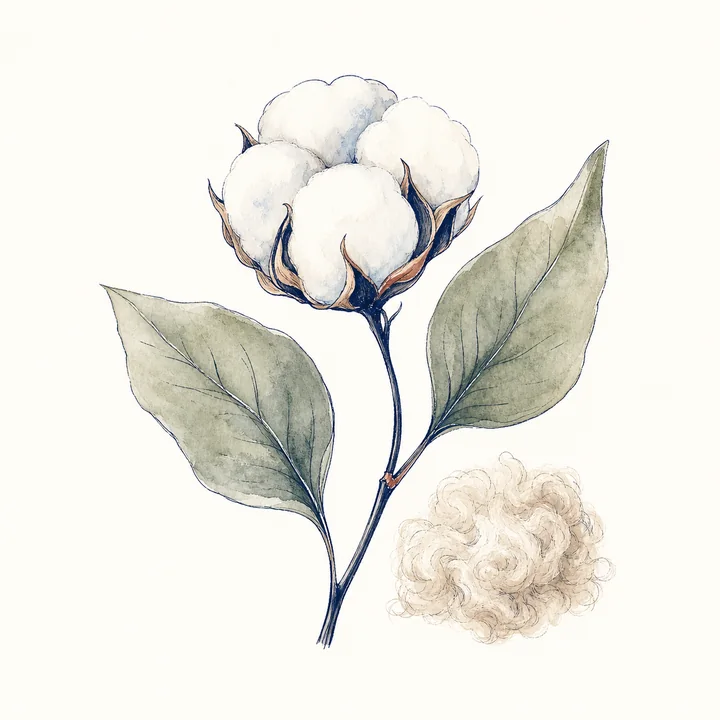
Percale is the weave, cotton is the fiber
A product can be cotton percale, polyester percale or a blend. Read both fields. If a listing only says percale, find the generic fiber percentages before comparing price.
Long-staple, Supima and organic claims need their own evidence; none is implied by the weave name.
Treat thread count as secondary
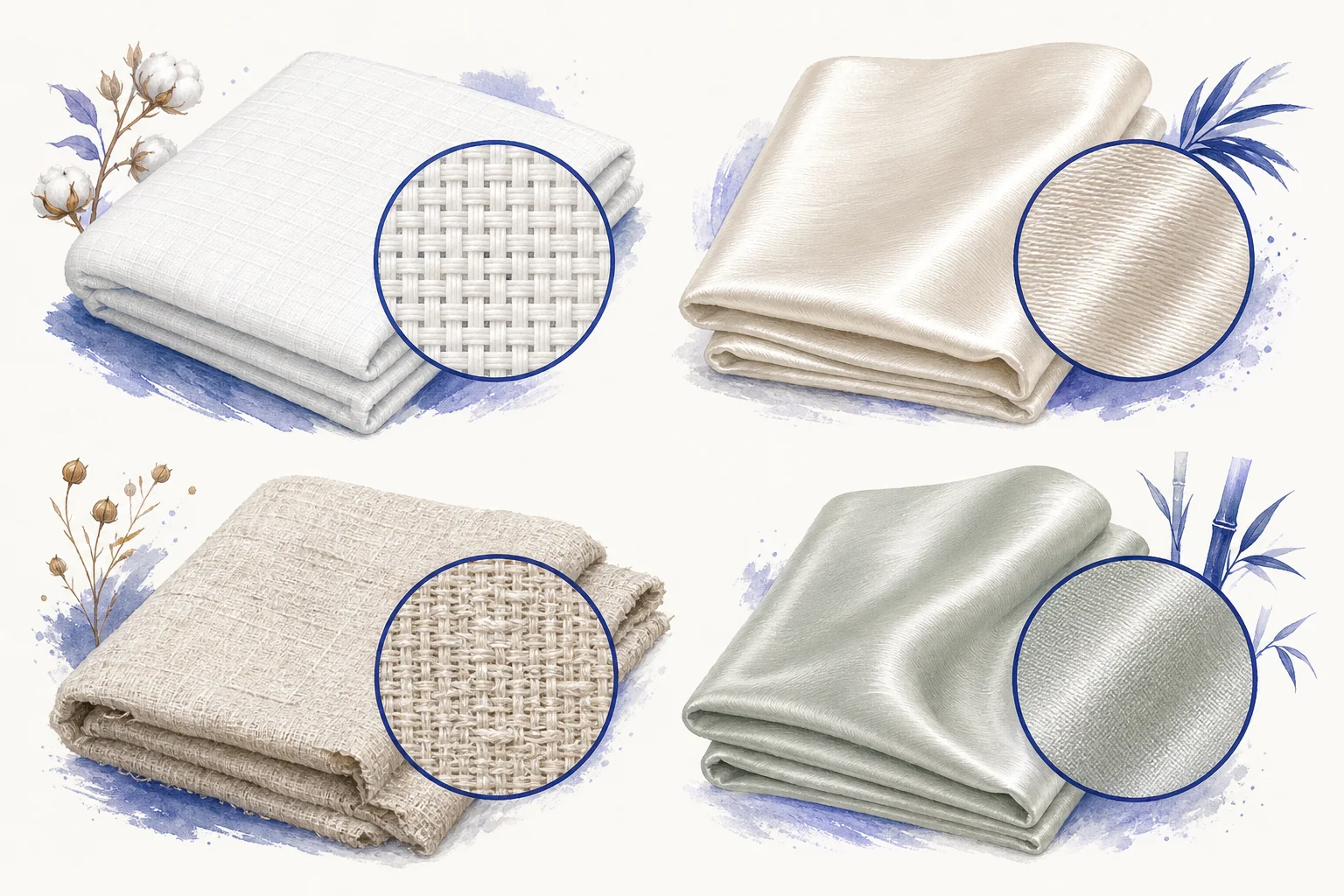
Thread count can describe yarn density but does not capture yarn quality, ply, finishing, weight or durability. Very high numbers do not guarantee better airflow.
Compare counts only among similarly disclosed fabrics and do not reject a transparent moderate-count cover for lacking a marketing maximum.
Expect crispness, wrinkles and a break-in period
Percale is normally matte and structured. It may wrinkle and feel firmer than sateen, especially before repeated label-compliant washing.
Garment washing can soften the starting feel but does not prove that dimensions will never change.
Protect the weave choice with correct fit
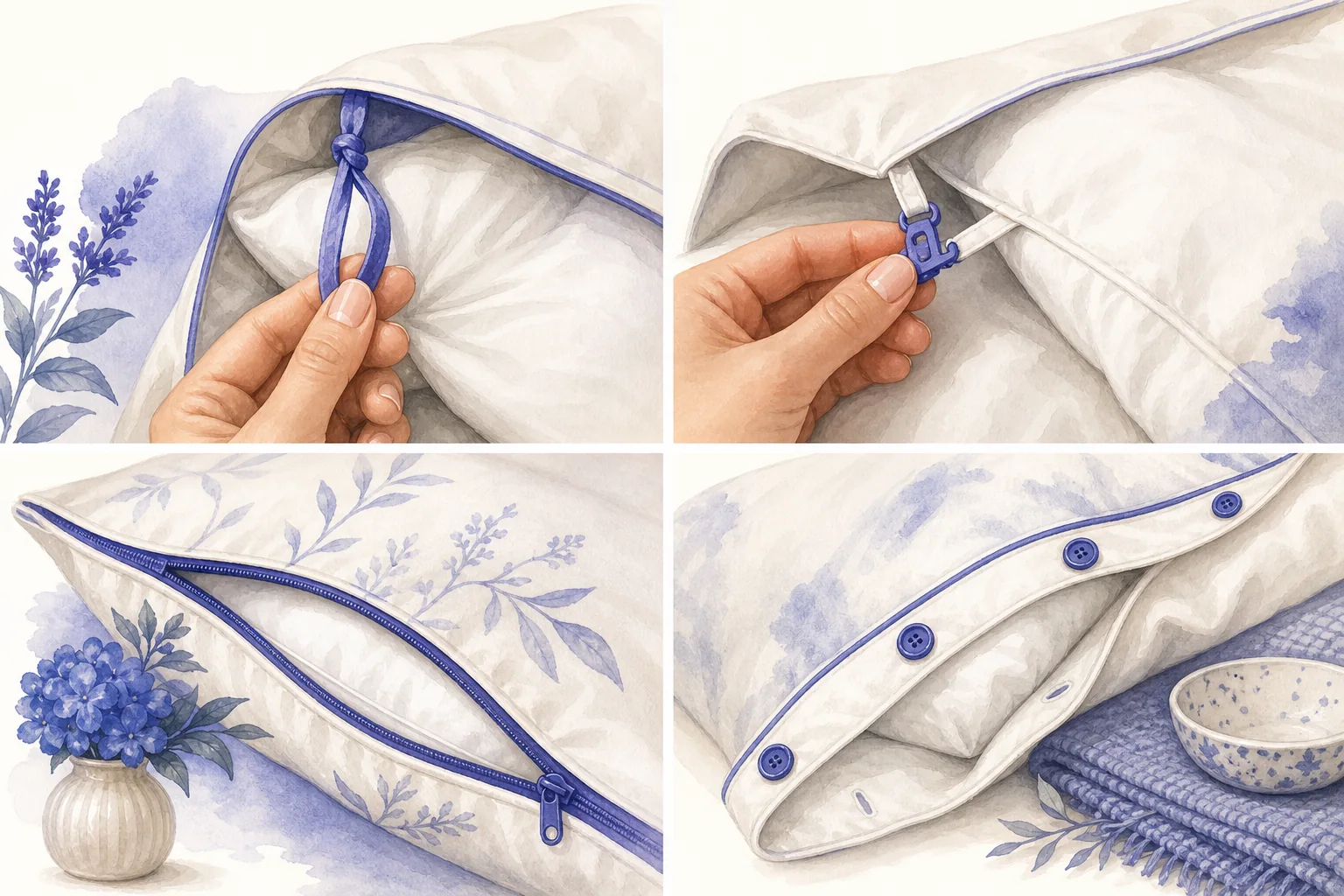
Match cover and insert dimensions; unused fabric bunches and creates local layers, while a tight cover compresses loft. Use internal ties with matching loops.
Check button or zipper construction and whether the opening is wide enough to avoid pulling hard on crisp fabric seams.
Read shrinkage and drying guidance
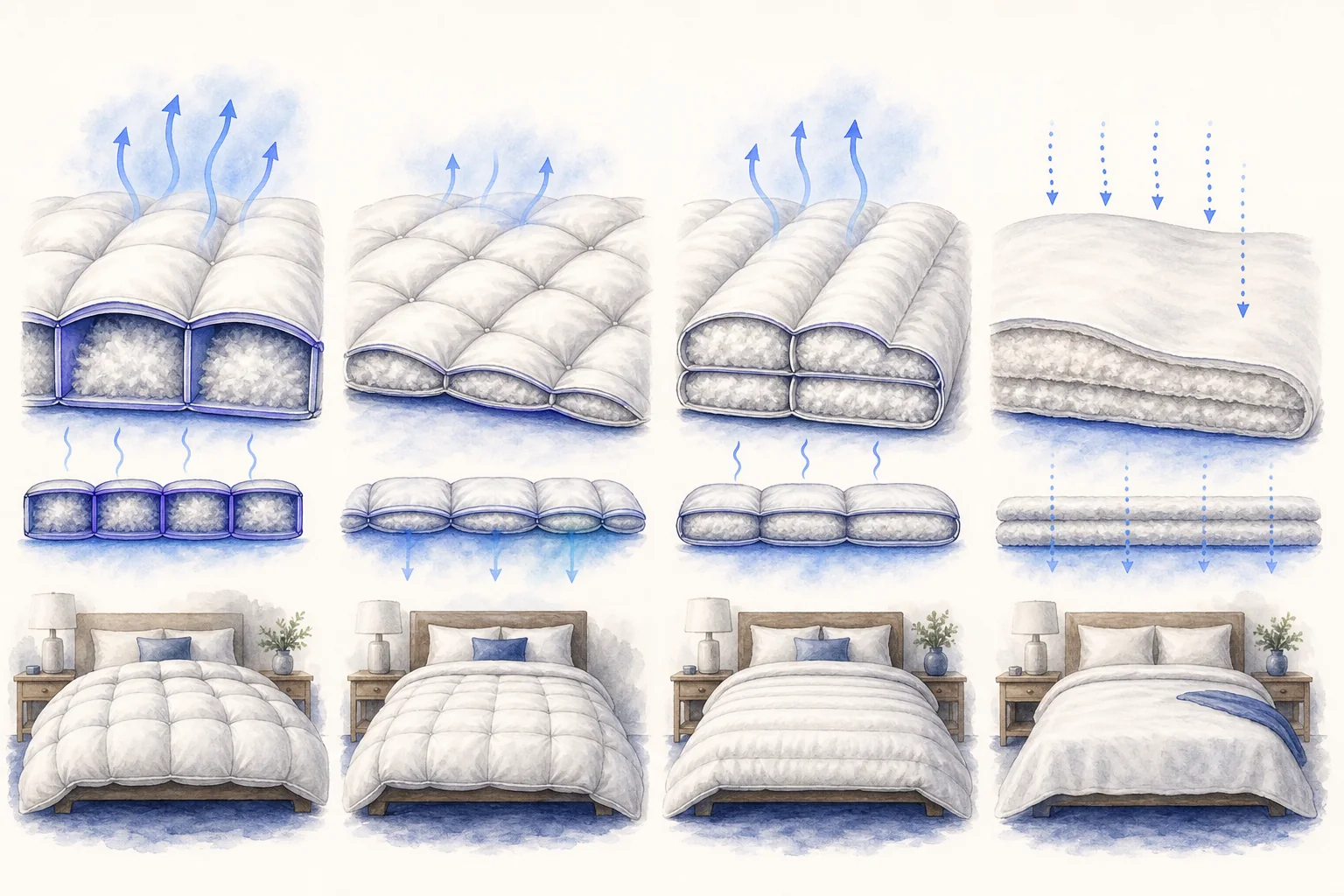
Cotton can change dimensions with heat and washing. Follow the complete item's label, remove promptly when directed and remeasure only after full drying.
The retailer link below is a category search, not a guarantee that every result is 100% cotton or true percale. Verify the selected variant.
Frequently asked questions
Is percale good for a duvet cover?
Yes for people who prefer crisp, matte, less-clingy fabric. It is not automatically cooler or more durable; fiber, weight, finishing and construction still matter.
Source: CottonWorks cotton home textiles, FTC cotton labeling guidance, The Company Store percale duvet cover
What are the downsides of percale?
It tends to wrinkle, can feel firm at first and lacks sateen's smooth drape. Some people value those same traits as crispness and structure.
Source: CottonWorks cotton home textiles, FTC cotton labeling guidance, The Company Store percale duvet cover
What is the difference between cotton and percale?
Cotton is a fiber; percale is a weave. A complete label should identify both the fiber percentages and the construction claim.
Source: CottonWorks cotton home textiles, FTC cotton labeling guidance, The Company Store percale duvet cover
What thread count is best for percale?
There is no universal best number. Use thread count as a secondary comparison after verified fiber, weave, fabric weight, fit, care and construction.
Source: CottonWorks cotton home textiles, FTC cotton labeling guidance, The Company Store percale duvet cover
Sources and editorial method
We checked definitions and practical distinctions against the sources below. Product recommendations live in separate buying guides with their own criteria and disclosures.
The bottom line
Buy percale for its crisp matte structure, then demand the complete textile: fiber percentages, credible construction, exact fit and care—not an isolated thread-count headline.