
In one sentence
Weekly is a practical starting point when you sleep directly under the cover; every one to two weeks may suit lower exposure with a top sheet, but wash sooner after sweat, illness, pets, spills or visible soil and always follow the fabric label.
An exposure-based duvet-cover schedule
| Situation | Practical starting range | Wash sooner when |
|---|---|---|
| Direct skin contact, no top sheet | About weekly | Sweat, illness, stains or odor occur |
| Clean top sheet used consistently | Every 1–2 weeks | Cover still contacts face, pets or bare skin |
| Pet sleeps on top | Weekly or more often as needed | Hair, dander, dirt or accidents are visible |
| Guest bed with no use | Before/after guests and periodically | Dust, damp or long storage affects it |
| Allergy-aware routine | Often weekly, based on clinician and label advice | Symptoms or environmental load increase |
| Insert inside | Much less often than cover | Soil passes through or label schedule requires |
Who should shorten or extend the interval
Shorten for higher exposure
Night sweating, skin-contact sleep, pets, illness, eating in bed and humid conditions add soil or moisture faster.
A top sheet can extend—not erase—time
It reduces direct body contact, but the cover still receives dust, face contact, handling and anything on top of the bed.
Weekly is a starting point, not a universal law
OxiClean recommends washing a duvet cover weekly or with sheets because it protects the insert and is easier to handle. Other routines reasonably extend toward two weeks when a clean top sheet consistently separates the body from the cover.
Use the shorter interval when the cover is the direct contact layer. The exact day matters less than not waiting through odor, visible soil, a spill or illness merely because the calendar says it is early.
How a top sheet changes the schedule
A top sheet intercepts body oils and sweat, so the duvet cover usually accumulates direct contact soil more slowly. It does not cover the face area perfectly, and pets, dust and handling affect the upper surface.
Wash the top sheet with your normal sheet routine and inspect the cover each time. A one-to-two-week cover interval is a reasonable starting test when the sheet remains in place and exposure is low.
Do not wash the insert every time you wash the cover
The modular benefit is precisely that the empty cover can be cleaned more often than the bulky fill. Repeated unnecessary wet cleaning can stress down clusters, wool batting, seams and shell coatings.
Inspect the insert whenever the cover comes off. Air it, address local stains according to its label and use the separate comforter wash-frequency guide for the filled layer.
Wash the cover separately from the insert
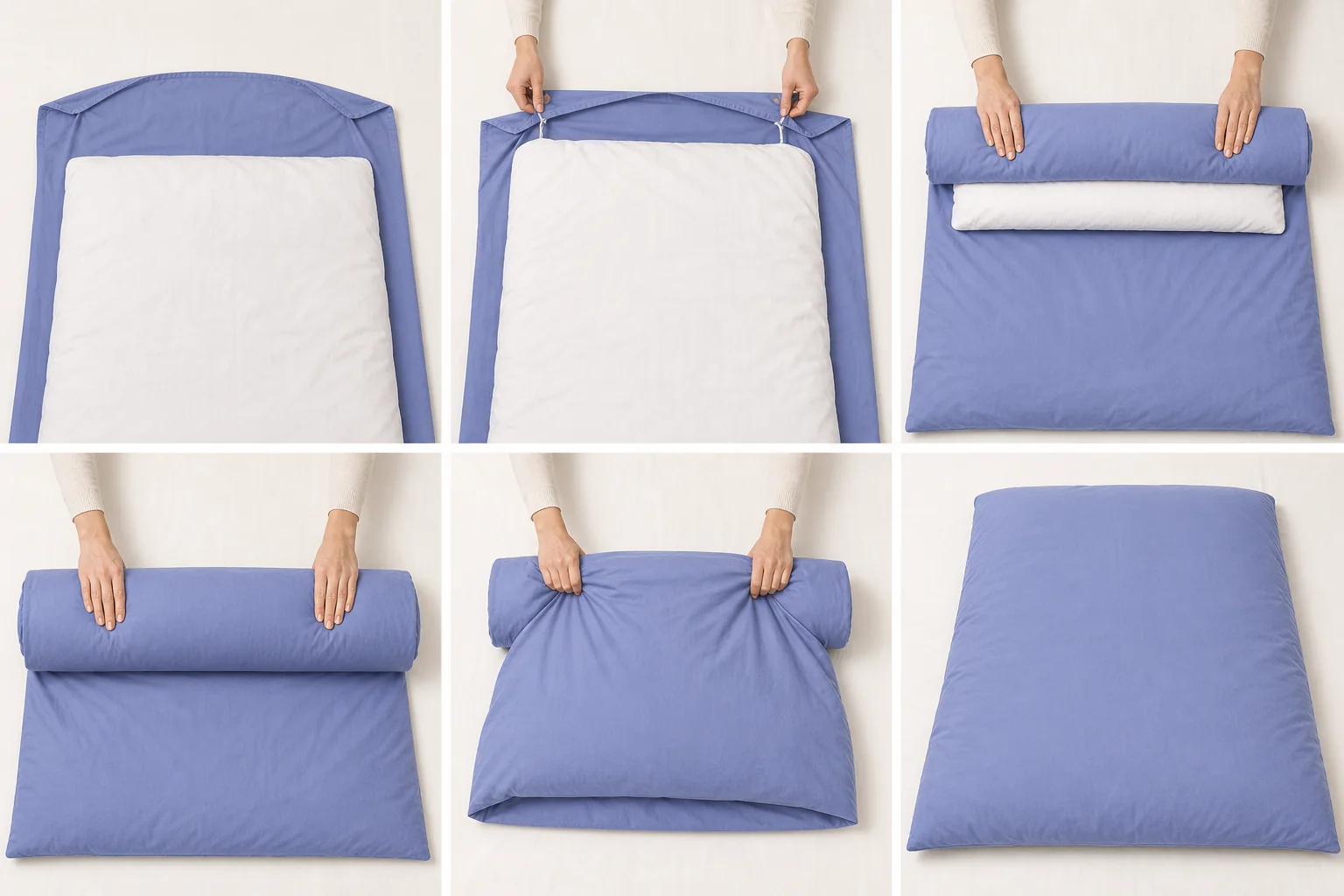
Remove the insert, close or secure buttons and zippers as the maker directs, treat stains and follow the fiber-specific label. The Company Store notes that most covers can be machine washed but emphasizes checking manufacturer instructions.
Give the fabric room to move and avoid overloading. Dry according to the label and make sure the cover is fully dry before refitting it around fill.
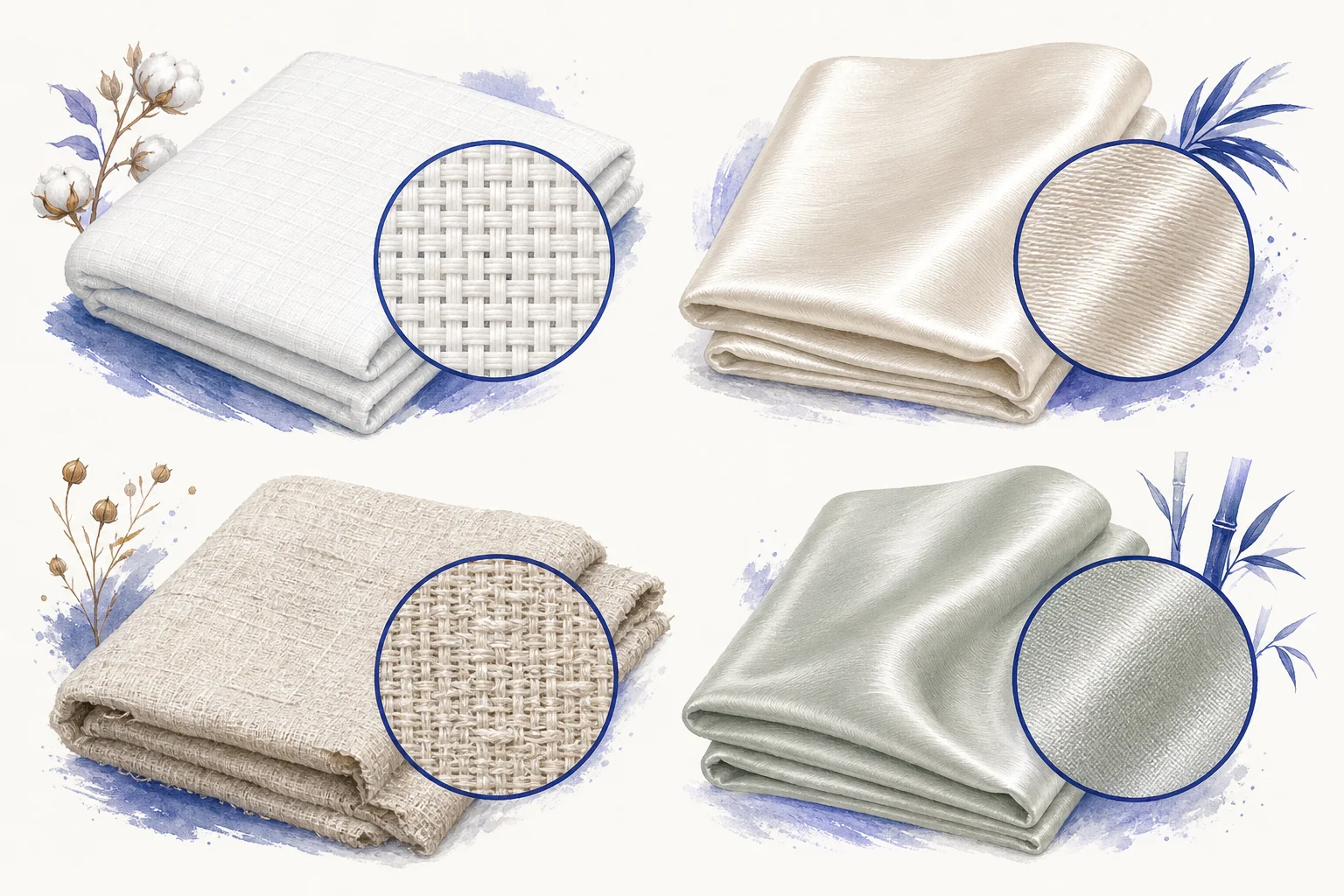
Fabric and construction affect the safe method, not just frequency
Cotton percale, cotton sateen, linen, flannel, silk blends, embroidery and decorative closures tolerate different temperatures, agitation and drying. A weekly need does not authorize a harsh weekly cycle.
Use the mildest effective label-approved process. Rotate two covers if your preferred fabric dries slowly or needs gentler care; that keeps the bed usable without forcing heat.
Four signals override the calendar
Wash now after illness or a meaningful spill, when odor persists after airing, when visible soil appears or when pet exposure is substantial. Treat small compatible stains promptly rather than leaving them to set until laundry day.
If a clean cover repeatedly smells musty, inspect the insert, mattress area and room humidity. Washing the surface more often will not solve trapped moisture deeper in the system.
Frequently asked questions
Is it okay to put a duvet in the dryer?
Separate cover from insert first and follow each label. Many covers permit machine drying, while inserts vary by fill and size and may require low heat, air drying or professional care.
Source: The Company Store duvet cover care, OxiClean duvet-cover guidance, Whirlpool comforter and cover guidance
How often should you wash a duvet cover if you use a top sheet?
Every one to two weeks is a practical starting range for lower exposure, with sooner washing after sweat, pets, illness, spills, odor or visible soil.
Source: The Company Store duvet cover care, OxiClean duvet-cover guidance, Whirlpool comforter and cover guidance
Is it worth having a duvet cleaned?
Professional cleaning can be worthwhile for a filled insert whose label requires it or for delicate, valuable or broadly stained bedding. The removable cover usually follows its own home-care label.
Source: The Company Store duvet cover care, OxiClean duvet-cover guidance, Whirlpool comforter and cover guidance
Should you wash your duvet cover every time you wash your sheets?
That is a sensible weekly routine when you sleep directly under the cover. With a consistently used top sheet and low exposure, every second sheet wash may be adequate if the label and condition support it.
Source: The Company Store duvet cover care, OxiClean duvet-cover guidance, Whirlpool comforter and cover guidance
Sources and editorial method
We checked definitions and practical distinctions against the sources below. Product recommendations live in separate buying guides with their own criteria and disclosures.
The bottom line
Begin around weekly for direct contact and one to two weeks with a clean top sheet, then let exposure and the care label shorten the interval. The cover gets routine laundry; the insert follows a separate, less frequent plan.