
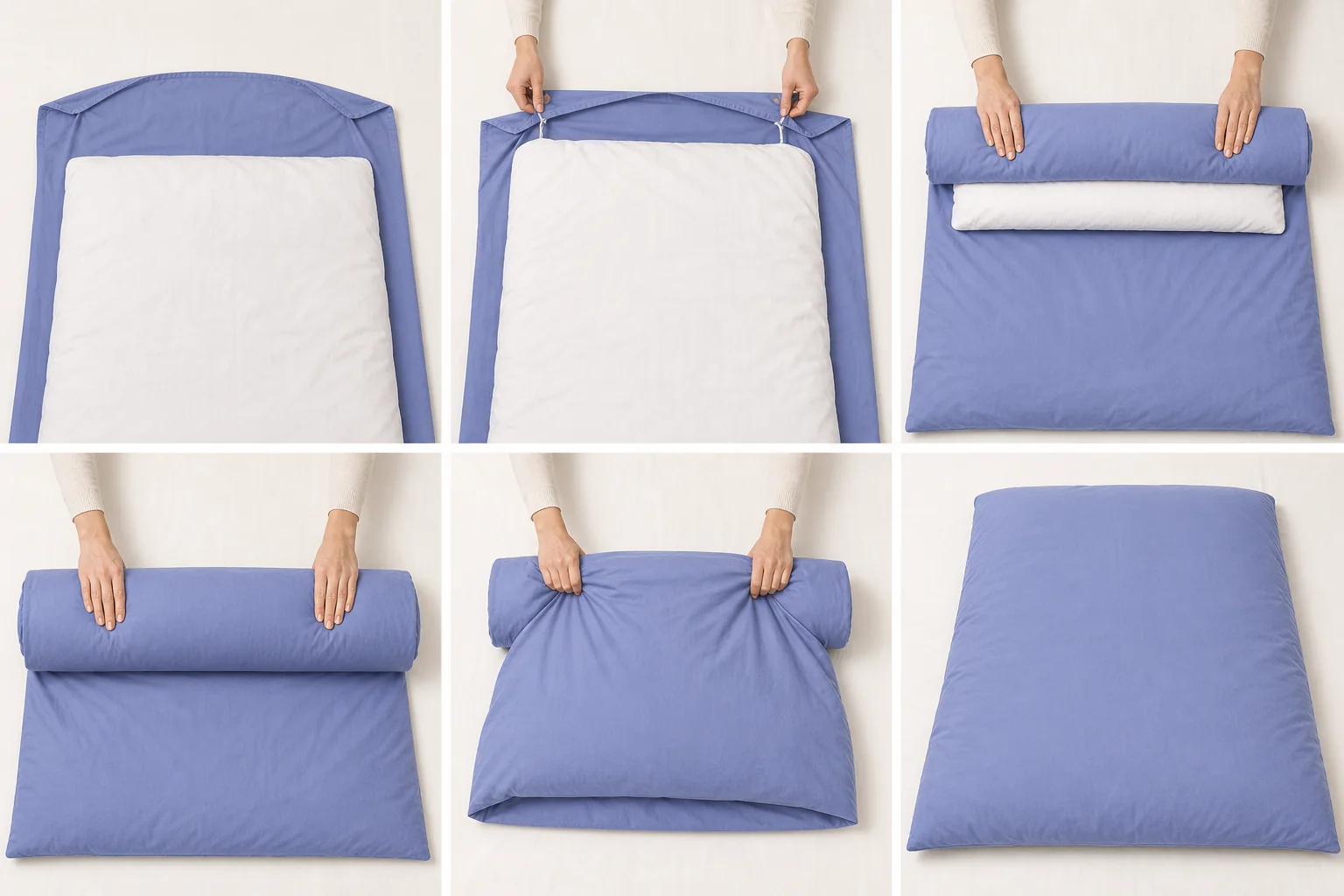
In one sentence
Choose linen if you like visible texture, airflow and softness that develops with washing; choose cotton percale for a crisper, smoother and often lower-cost cool cover, or cotton sateen for a silkier, slightly warmer drape.
Linen and cotton cover tradeoffs
| Factor | Linen | Cotton |
|---|---|---|
| Initial feel | Textured and sometimes crisp | Ranges by weave |
| Warm sleeper fit | Airy, relaxed | Percale is a strong cool option |
| Wrinkles | Expected part of appearance | Percale wrinkles; sateen somewhat smoother |
| Softening | Develops with laundering | Depends on yarn and finish |
| Price | Often premium | Broad price range |
| Style | Casual, lived-in drape | Crisp, smooth, brushed or jersey options |
Who should choose which
Linen
You accept wrinkles and premium pricing for texture, airflow and a relaxed bed.
Cotton
You want more choice in weave, price, color and surface feel with familiar laundering.
Fiber is only the first decision
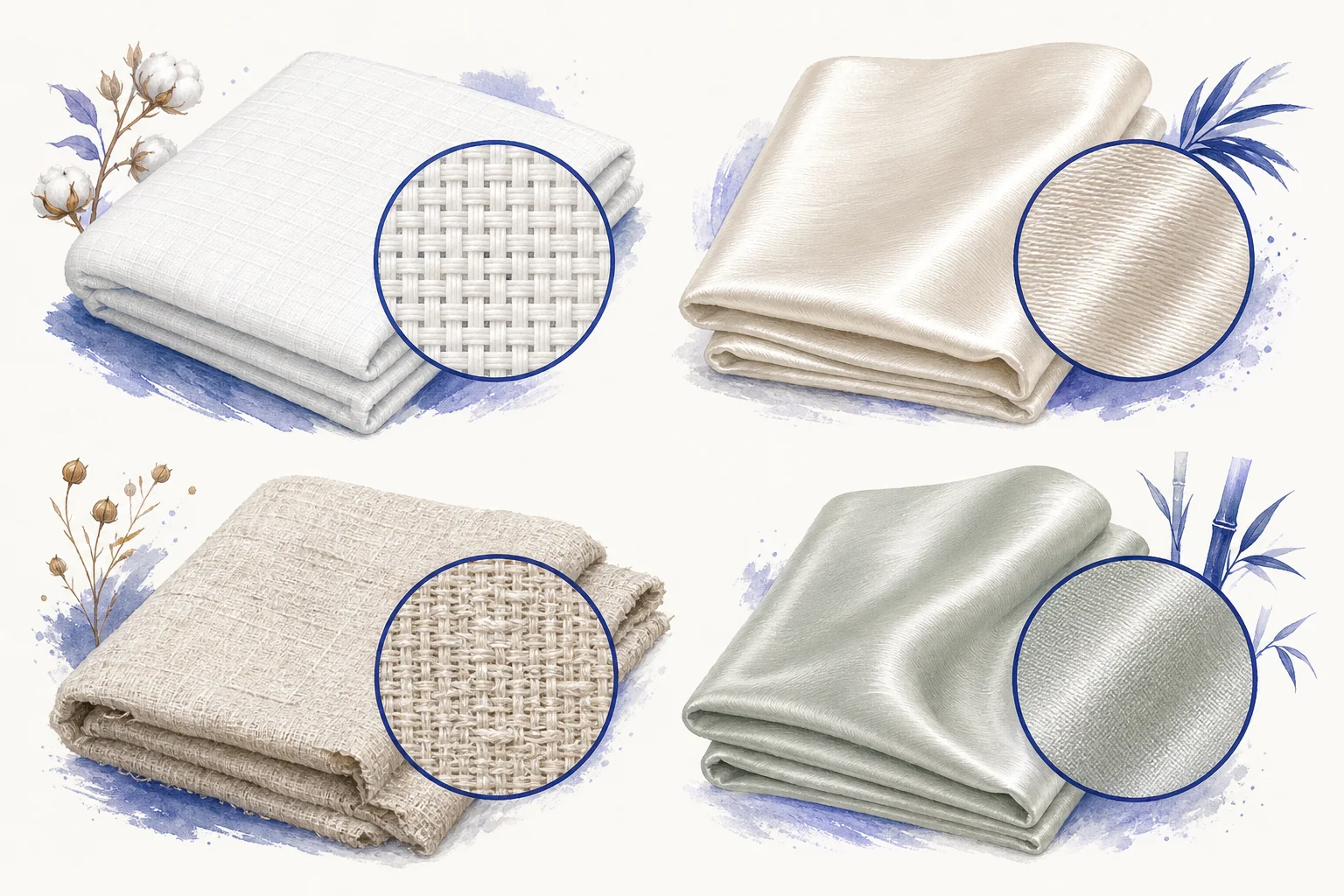
Linen comes from flax; cotton comes from cotton plants. Yarn size, fabric weight, weave, dye and finishing make two covers of the same fiber feel different.
Compare actual fiber percentages and fabric construction instead of assuming every natural-fiber cover performs alike.
Cotton percale and sateen should not be grouped
Percale typically feels crisp, matte and airy; sateen feels smoother, drapes more and may feel somewhat warmer. Flannel and jersey create still different surfaces.
The best duvet cover material guide compares these options beyond the linen-cotton decision.
Linen texture and wrinkles are features or drawbacks
Linen's slub and relaxed creasing create its recognizable look. It often softens with repeated washing, but buyers wanting a perfectly pressed bed may find the maintenance frustrating.
Prewashed claims describe finishing, not a universal softness grade.
Follow label-specific shrinkage and drying guidance
Both fibers can shrink under heat and wrinkle when left bunched. Wash the cover separately from its insert and remove promptly according to the sewn-in instructions.
Our duvet-cover wash-frequency guide determines timing by contact and exposure, not fiber marketing.
Choose with a swatch-and-laundry test
If possible, handle a sample in daylight and compare weight, opacity and texture. Confirm dimensions after any stated shrinkage allowance and inspect closure and internal ties.
The cover changes skin feel and care; the insert still supplies most warmth.
Frequently asked questions
What fabric is best for duvet covers?
Cotton percale is a versatile crisp default; linen suits airy texture; sateen suits smoother drape. The best depends on climate, feel and laundry.
Source: The Company Store duvet-cover material guide, CottonWorks cotton home textiles, FTC textile labeling guidance
What are the disadvantages of linen bedding?
Linen often costs more, wrinkles readily and may feel textured or crisp at first. Quality and care still vary.
Source: The Company Store duvet-cover material guide, CottonWorks cotton home textiles, FTC textile labeling guidance
Which is better, 100% cotton or 100% linen?
Neither universally. Linen favors textured airflow and relaxed styling; cotton offers more weave and price options.
Source: The Company Store duvet-cover material guide, CottonWorks cotton home textiles, FTC textile labeling guidance
Why do people like linen duvet covers?
Many value linen's airy feel, visible texture, relaxed drape and tendency to soften with washing.
Source: The Company Store duvet-cover material guide, CottonWorks cotton home textiles, FTC textile labeling guidance
Sources and editorial method
We checked definitions and practical distinctions against the sources below. Product recommendations live in separate buying guides with their own criteria and disclosures.
The bottom line
Linen wins for relaxed texture; cotton wins for versatility. For a cool conventional starting point choose cotton percale; choose linen when its rumpled tactile character is the point.